
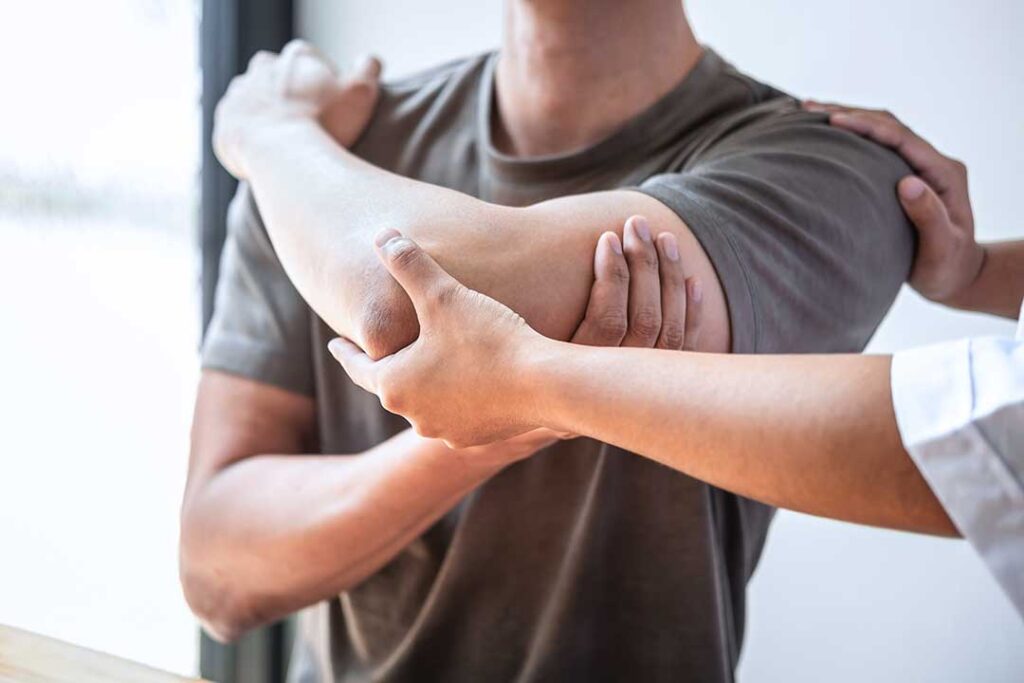
Sports injuries are often blamed on one bad movement, but many develop through repeated stress, limited mobility, poor recovery, or a sudden increase in activity. Chiropractic care may play a supporting role by evaluating musculoskeletal function, addressing certain movement-related problems, and helping athletes build a practical injury-prevention plan.
It should not be viewed as a substitute for strength training, coaching, protective equipment, medical evaluation, or rehabilitation. The strongest prevention strategies usually combine several of these elements.
Can chiropractic care prevent sports injuries?
Chiropractic care may help reduce some factors associated with injury, but there is not strong evidence that routine spinal adjustments alone prevent all sports injuries.
A chiropractic assessment may identify restricted joint motion, muscle imbalance, reduced flexibility, or movement habits that place extra stress on the back, hips, knees, shoulders, or ankles. Treatment can include manual therapy, mobility exercises, strengthening, balance work, and guidance about training loads.
The goal is not to “realign” the body in a way that guarantees injury prevention. A more realistic goal is to improve comfort and movement capacity so an athlete can train with better control. Research supports spinal manipulation as one possible treatment for some types of back and neck pain, but evidence for preventing sports injuries specifically is more limited. ([nccih.nih.gov](https://www.nccih.nih.gov/health/spinal-manipulation-what-you-need-to-know?utm_source=openai))
What role does mobility play?
Limited mobility can cause an athlete to compensate elsewhere. For example, reduced ankle motion may affect landing mechanics, while limited hip mobility may cause extra movement through the lower back. Restricted shoulder motion can alter throwing or swimming technique.
A chiropractor may assess:
- Spinal and extremity joint movement
- Hip, ankle, shoulder, and thoracic mobility
- Muscle tension and asymmetry
- Balance and coordination
- Pain during sport-specific movements
Improving mobility does not mean forcing a joint beyond its normal range. Safe mobility work should be gradual and matched to the athlete’s sport, age, training level, and medical history.
For people who spend much of the day sitting, commuting, or working from home, stiffness may become more noticeable when recreational activity increases. This can be especially relevant in a dense coastal community where residents may shift seasonally between walking, running, cycling, swimming, court sports, and beach-based activities.
Does chiropractic care replace strength and conditioning?
No. Strength and conditioning remain central to injury prevention.
Muscles help absorb force, stabilize joints, and control acceleration and deceleration. Balance and neuromuscular training can also improve landing mechanics and reduce avoidable strain. Public health guidance identifies strength, balance, and proper movement mechanics as important parts of sports and recreation injury prevention. ([cdc.gov](https://www.cdc.gov/traumatic-brain-injury/prevention/index.html?utm_source=openai))
A prevention program may include:
- Strengthening the hips, legs, trunk, shoulders, and upper back
- Single-leg balance and controlled landing exercises
- Gradual running, jumping, or throwing progressions
- Warm-up movements that resemble the planned activity
- Recovery days and adequate sleep
- Technique adjustments based on pain or repeated fatigue
Chiropractic care may complement these measures, particularly when pain or restricted movement makes exercise difficult. It should not be used as a reason to avoid progressive strengthening.
How can athletes prepare for seasonal activity?
A common injury pattern occurs when someone returns to an activity at the same intensity used at the end of the previous season. The body may remember the skill, but conditioning, tendon tolerance, and coordination may not be fully restored.
A safer return includes:
1. Starting with shorter sessions or lower intensity.
2. Increasing only one major factor at a time, such as distance, speed, weight, or frequency.
3. Including a gradual warm-up before demanding activity.
4. Monitoring soreness that lasts more than a day or worsens during exercise.
5. Taking extra care on wet, uneven, icy, or crowded surfaces.
Local outdoor conditions can change quickly. Wind, heat, cold, rain, and slick surfaces may affect balance and fatigue. The American College of Sports Medicine recognizes weather-related conditions as part of injury-prevention planning, and the CDC advises athletes to increase activity gradually and address dehydration and heat illness risks during hot conditions. ([acsm.org](https://acsm.org/education-resources/pronouncements-scientific-communications/official-statements/?utm_source=openai))
What injuries might benefit from an evaluation?
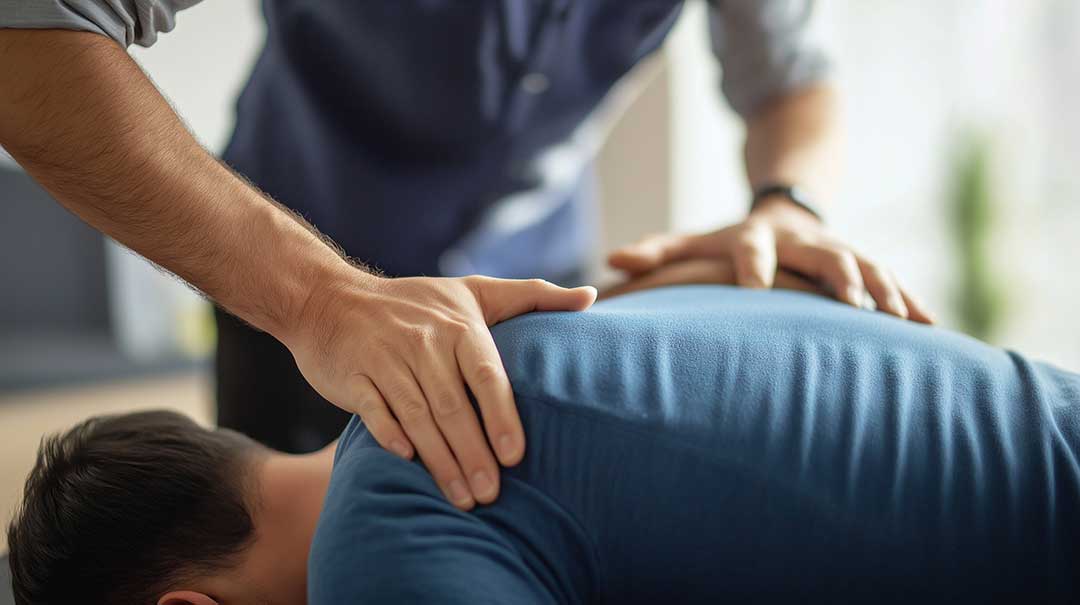
A musculoskeletal evaluation may be useful for recurring or activity-related symptoms such as low-back pain, neck stiffness, shoulder discomfort, hip pain, or certain movement-related strains.
It may also help clarify whether symptoms are appropriate for conservative care or require another type of evaluation. Persistent pain, significant swelling, weakness, numbness, loss of coordination, joint instability, or an inability to bear weight should not be treated as a routine soreness problem.
After a collision, fall, or forceful impact, athletes should also consider concussion and other serious injuries. Symptoms such as confusion, worsening headache, repeated vomiting, unusual drowsiness, slurred speech, weakness, or loss of consciousness require prompt medical attention. The CDC’s HEADS UP program emphasizes recognizing and responding to possible concussion rather than returning to play through symptoms. ([cdc.gov](https://www.cdc.gov/headsup?utm_source=openai))
Is spinal manipulation appropriate before a competition?
Not necessarily. A new treatment should not be tested immediately before a major event. Some people experience temporary soreness, stiffness, headache, or increased discomfort after spinal manipulation. Serious complications are rare, but the risks and appropriateness of treatment depend on the person’s health history and the area being treated. ([nccih.nih.gov](https://www.nccih.nih.gov/health/spinal-manipulation-what-you-need-to-know?utm_source=openai))
Athletes should share information about previous injuries, fractures, surgery, neurological symptoms, blood-clotting conditions, medications, and recent trauma. Neck manipulation deserves particular caution because rare but serious vascular events have been reported, and the evidence surrounding cause and risk remains complex. ([nccih.nih.gov](https://www.nccih.nih.gov/health/spinal-manipulation-what-you-need-to-know?utm_source=openai))
A careful approach emphasizes examination, informed consent, and the least aggressive option that fits the situation. Mobilization, exercise, activity modification, or referral may be more appropriate than manipulation.
What does a balanced prevention plan look like?
For most recreational athletes and competitive players, injury prevention is a team effort involving the athlete, coach, strength professional, physical therapist, physician, and—when appropriate—chiropractor.
A balanced plan usually includes:
- Sport-specific conditioning
- Technique instruction
- Appropriate footwear and protective equipment
- Warm-up and cooldown habits
- Adequate hydration and sleep
- Gradual increases in training load
- Early attention to persistent pain
- A clear return-to-play process after injury
Chiropractic care may fit within that plan when the focus remains on measurable function, symptom response, exercise participation, and safe progression. The most useful question is not whether an adjustment can prevent every injury, but whether the overall care plan helps the athlete move, train, recover, and respond to warning signs more effectively.
