

Can Chiropractic Adjustments Impact Anxiety?
Some people wonder whether chiropractic care can make a noticeable difference for anxiety symptoms. There is no direct cure for anxiety through spinal adjustments, but some individuals have reported improvements in their sense of well-being and stress levels after regular chiropractic visits. These positive responses might be related to indirect effects on the body’s nervous system, posture, and overall comfort.
In Long Beach, many residents experience physical tension from active lifestyles, beach activities, or commutes. When the body feels better aligned, some people also report a calmer mood or reduced anxiety. However, it's important to understand that these outcomes vary widely and are not guaranteed.
What Does Science Say About Chiropractic Care and Anxiety?
Research has not definitively proven that chiropractic treatment directly reduces anxiety disorders. Most available studies have focused on back pain, neck pain, and general wellness rather than mental health challenges like anxiety.
Some small-scale studies and patient surveys suggest that hands-on therapies, including chiropractic adjustments, may help relieve stress or improve sleep—themes closely tied to anxiety for many local households. However, these benefits seem to come from a combination of physical relaxation, increased mobility, and the calming nature of the visits, rather than a direct impact on anxiety itself.
Key points from available research:
- Chiropractic care may indirectly support emotional health by improving physical comfort.
- Relaxation and stress relief during sessions might reduce perceived anxiety in some individuals.
- There is no current consensus that adjustments specifically treat anxiety as a mental health condition.
How Might Chiropractic Care Ease Anxiety Symptoms Indirectly?
While it’s not a primary treatment for anxiety, chiropractic care could complement overall wellness routines.
A few common ways people may feel relief:
- Reducing muscle tension that builds up during stressful periods—especially after long drives or strenuous activity, both common among residents.
- Improving sleep quality by alleviating discomfort in the back or neck.
- Providing a structured self-care routine, which can give some people a greater sense of control and routine during anxious periods.
In the local community—busy with outdoor events, family obligations, and work-life pressures—addressing the physical discomfort that sometimes accompanies stress may help people manage their daily lives better.
What Are Some Common Misconceptions About Chiropractic and Anxiety?
A frequent misconception is that spinal adjustments "treat" anxiety directly. In reality:
- Chiropractic care focuses on musculoskeletal health and overall comfort, not psychiatric disorders.
- Most individuals seeking help for anxiety need broader support from mental health providers, exercise, and lifestyle changes.
- Relying solely on physical therapies may cause some to overlook the importance of counseling or medical care.
For community members managing persistent anxiety, seeking comprehensive strategies—including medical and emotional support—is generally most effective.
What Should Long Beach Residents Consider Before Trying Chiropractic Care for Anxiety?
Anyone interested in this approach should consider a few practical factors:
- Set clear expectations: Chiropractic care may offer indirect benefits but should not replace mental health care when anxiety is disruptive.
- Find providers with experience in stress management: Some chiropractors are familiar with holistic approaches or collaborate with wellness professionals.
- Consider the impact of the local environment: Changes in weather, community events, and daily activities can sometimes influence both physical tension and anxiety levels.
- Communicate openly: If you’re currently seeing a therapist or doctor, let them know about any complementary treatments.
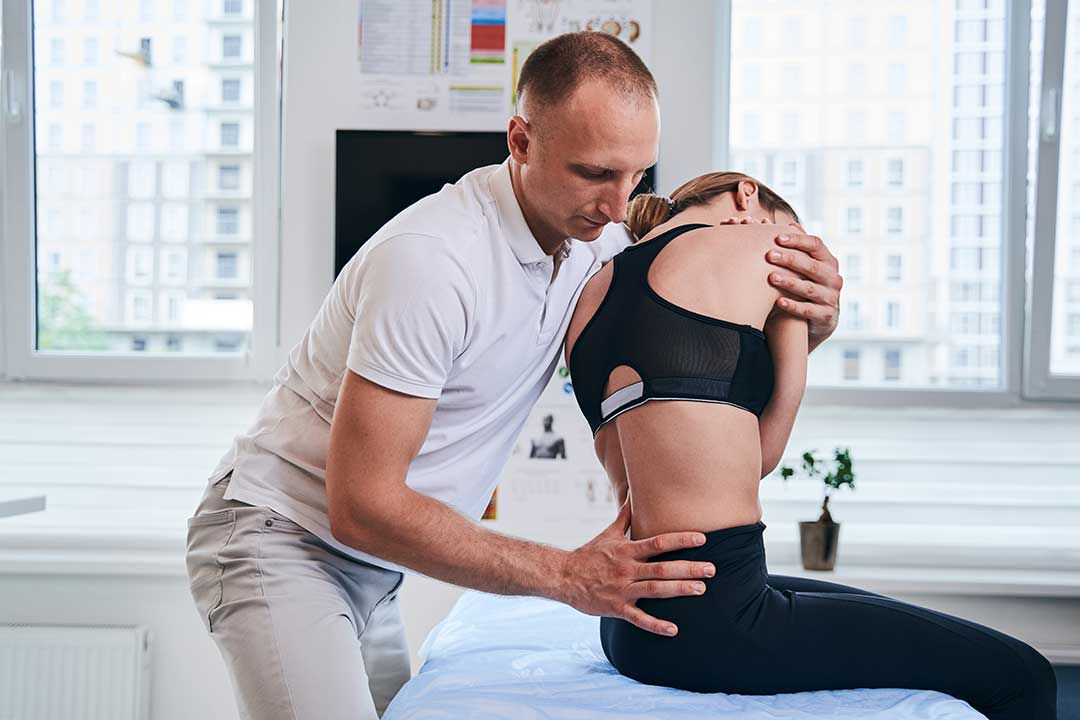
Can Chiropractic Visits Be Part of an Anxiety-Reduction Routine?
Including chiropractic care in a broader set of wellness habits can work for some people. Here are practical ways it might fit:
- Pairing adjustments with relaxation techniques—like deep breathing used during sessions—may help reinforce calmness.
- Combining physical care with activity: Walking the boardwalk, swimming, or gentle beach exercises may enhance both mental and physical well-being.
- Using appointments as regular check-ins: This structure can help individuals notice progress and create mindful self-care habits.
Everyone responds differently, and while some Long Beach households include chiropractic care in their routines, others rely on mindfulness, support groups, or medical treatment.
When Is Chiropractic Care Not Advisable for Anxiety?
Chiropractic adjustments are not a substitute for psychiatric or psychological interventions. Residents should not rely on spinal care alone if anxiety:
- Significantly impacts daily functioning
- Causes panic attacks or severe distress
- Is accompanied by depression, thoughts of self-harm, or substance misuse
In these cases, reaching out to licensed mental health professionals is essential for safety and effective relief.
What Do Local Residents Share About Their Experiences?
In community conversations, some note that a regular care routine helps them create time for themselves, which can ease everyday stress. Others mention that reducing chronic aches makes it easier to relax after a busy day. Yet, experiences are individual; not everyone notices a difference in anxiety, and some prefer other approaches for managing emotional health.
For those exploring complementary methods to support overall well-being in the area, chiropractic care may be one piece of a larger puzzle, but not a standalone answer for anxiety.
