
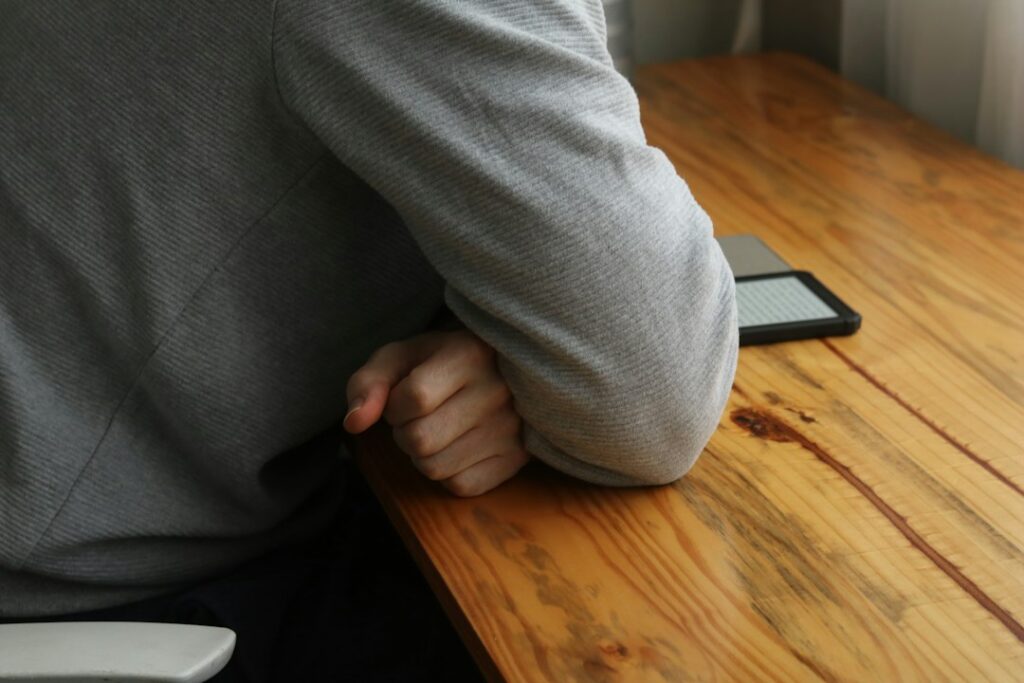
What is “texting thumb”?
“Texting thumb” is an informal term for pain or irritation caused by repeated thumb movements, especially swiping, tapping, scrolling, gripping a phone, or holding a device in one hand for long periods. The discomfort may involve the thumb, the base of the thumb, the wrist, or the lower forearm.
In some cases, repeated use contributes to de Quervain’s tenosynovitis, an irritation of tendons on the thumb side of the wrist. Other causes can include muscle fatigue, joint irritation, nerve compression, arthritis, or an injury unrelated to texting. The term describes a pattern of symptoms, not a specific diagnosis.
What does texting thumb feel like?
The symptoms often begin gradually and may improve when the hand rests. Common signs include:
- Aching or burning at the base of the thumb
- Pain on the thumb side of the wrist
- Tenderness when gripping, pinching, opening a container, or lifting a bag
- Stiffness after using a phone, keyboard, or gaming controller
- Swelling or a feeling of fullness near the wrist
- Clicking, catching, or weakness when moving the thumb
- Pain that travels a short distance into the forearm
A simple clue is whether ordinary activities become uncomfortable. Carrying groceries, fastening clothing, lifting a child, turning a key, or using a bicycle handlebar may reveal irritation that is less noticeable while the hand is resting.
How can phone use be changed right away?
The most useful first step is to reduce the movements that reproduce pain. Complete avoidance of all hand activity is usually unnecessary, but continuing to push through sharp or increasing pain can prolong irritation.
Try these adjustments:
- Hold the phone with both hands and alternate which thumb does the tapping.
- Use the index finger for scrolling or selecting small items when the thumb is sore.
- Dictate longer messages instead of typing them one character at a time.
- Keep the wrist relatively straight rather than bending it toward the little-finger side.
- Rest the phone on a table, pillow, or stand during longer reading sessions.
- Break phone use into shorter periods instead of holding one position for 20 or 30 minutes.
- Avoid gripping the phone tightly, especially while walking, commuting, or standing outdoors.
- Increase text size so less precise tapping and forceful thumb motion are needed.
Many residents use phones while traveling, waiting for transportation, working remotely, or relaxing near the beach. Those habits can create long stretches of uninterrupted hand use. A brief change in position every few minutes is often more helpful than waiting until pain becomes intense.
Should the thumb be stretched or exercised?
Gentle movement may help stiffness, but forceful stretching is not a good test of recovery. If a motion produces sharp pain, swelling, or a noticeable increase in symptoms afterward, stop that movement.
During a flare-up, keep exercises easy:
1. Rest the hand in a relaxed, open position.
2. Slowly bend and straighten the thumb within a comfortable range.
3. Move the wrist gently up and down without forcing the end position.
4. Open and close the fingers several times without squeezing tightly.
The goal is comfortable motion, not strengthening through pain. More demanding exercises, such as squeezing a ball or using resistance bands, should wait until everyday movements are comfortable. A chiropractor, physical therapist, or other qualified clinician may assess the hand, wrist, elbow, shoulder, and neck to determine whether another area is contributing to the problem.
Can ice, heat, or a splint help?
Cold can be useful when the area feels swollen, warm, or irritated after activity. Place a cold pack over a thin cloth for about 15 minutes, then allow the skin to return to its normal temperature. Do not place ice directly on the skin.

Heat may feel better for stiffness without swelling, particularly before gentle movement. Heat should not be used to push through active pain or swelling.
A removable thumb-and-wrist splint may reduce symptoms by limiting painful motion, especially during sleep or activities that repeatedly provoke discomfort. It should not be so tight that it causes numbness, color changes, tingling, or increased pain. Wearing a splint continuously for long periods without guidance may contribute to stiffness, so comfortable movement remains part of recovery.
Over-the-counter pain relievers may help some people, but they are not appropriate for everyone. Medication can interact with health conditions or other drugs. Follow the product label and ask a pharmacist or medical clinician if there is any uncertainty.
What local habits can make symptoms worse?
Seasonal conditions can influence how people use their hands. Cold, windy weather may encourage tighter gripping of a phone, steering wheel, bicycle handle, or railing. Gloves can also make people hold a device more firmly or use awkward thumb positions.
In denser residential settings, residents may carry shopping bags, use stairs, rely on public transportation, or walk while holding a phone. Those activities are not inherently harmful, but combining them with prolonged one-handed texting can increase strain.
At home, check whether the problem is linked to a particular routine:
- Reading in bed with the wrist bent
- Holding a phone while carrying a bag
- Typing on a laptop with the wrist resting on a hard edge
- Repeatedly lifting a child or pet with the thumb spread wide
- Using hand tools, kitchen utensils, or gardening equipment after long phone sessions
- Playing games that require rapid thumb movements
Changing the full pattern matters more than focusing only on the phone.
When should thumb pain be evaluated?
Pain that is mild and clearly improving with reduced use can often be monitored for several days. Evaluation is more appropriate when symptoms persist, worsen, or interfere with normal hand function.
Seek prompt medical attention for severe pain after an injury, obvious deformity, major swelling, loss of sensation, marked weakness, a pale or blue hand, or an inability to move the thumb. Persistent clicking, locking, nighttime numbness, or pain extending into the arm also deserves assessment.
A clinician may examine tendon movement, grip, sensation, joint motion, and the neck or elbow. Similar symptoms can arise from different conditions, so self-diagnosing every case as “texting thumb” may delay the right care.
How can the problem be prevented from returning?
Prevention depends on reducing repeated force and awkward positioning rather than eliminating phone use. Keep the wrist neutral, share work between both hands, use voice input for longer messages, and take short movement breaks before discomfort begins.
A practical rule is to change something at the first sign of fatigue: switch hands, set the phone down, relax the grip, or move the wrist gently. If symptoms repeatedly return despite these changes, the issue may involve more than texting and should be evaluated.
